

Dear FACE Members,
A number of important files for Europe’s hunters have dominated February. The EU’s proposal on dog (and cat) welfare is progressing within the European Parliament. We are pleased to report that several of FACE’s requests have been captured in the Agricultural Committee’s (AGRI) report. The road ahead will be challenging, and all EU FACE Members will be asked to contact relevant MEPs to ensure these amendments survive.
This month, the wolf down-listing proposal was debated in the European Parliament’s AGRI Committee. Many stakeholders expect the European Commission to move forward next month with a proposal to change the wolf regime at the EU level. Several scenarios exist, some better than others.
Sadly, the European Commission has attacked regional hunting activities in France and Malta, again. FACE has issued a Press Release – see below. The European Commission believes that the case law of the Court of Justice of the EU is always on its side, despite what the Birds Directive says.
Finally, it is great to see that so many of you have registered for the Member Meeting in Croatia. It promises to be an excellent two-day meet in conjunction with the 100th anniversary of the Croatian Hunting Federation .
We hope you enjoy the February monthly report.
 Dr. David Scallan
The European Commission’s recent decision to open infringement procedures against Malta and refer France to the Court of Justice of the EU over regional hunting practices has sparked anger within Europe’s hunting community. This latest action represents yet another instance of heavy-handed intervention that disproportionately targets rural communities with no measurable impact on biodiversity.

These regional hunting practices are deeply rooted in cultural heritage and have been regulated in accordance with the Birds Directive. The age-old use of net traps for birds is selective, with only small numbers of birds being caught, and strictly supervised, ensuring they pose no threat to biodiversity.
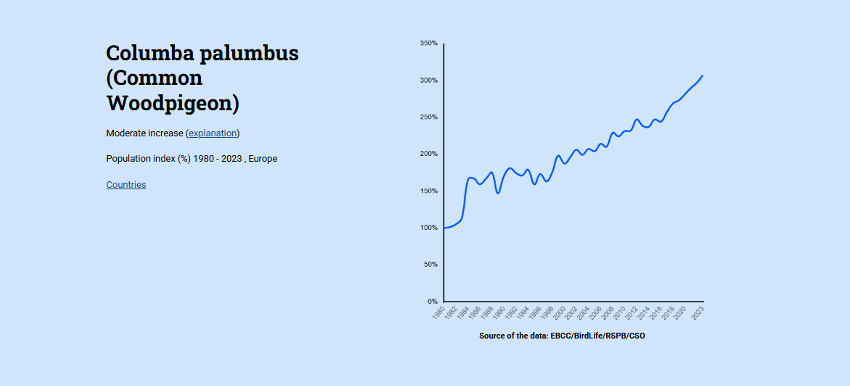
An infringement is being opened against Malta for their Finch trapping research project, which was redesigned to comply with a previous court ruling. France is being referred to the court for its traditional regional hunting of the woodpigeon, a species that is showing a large population increase across Europe. The number of individuals caught with this traditional method is insignificant.
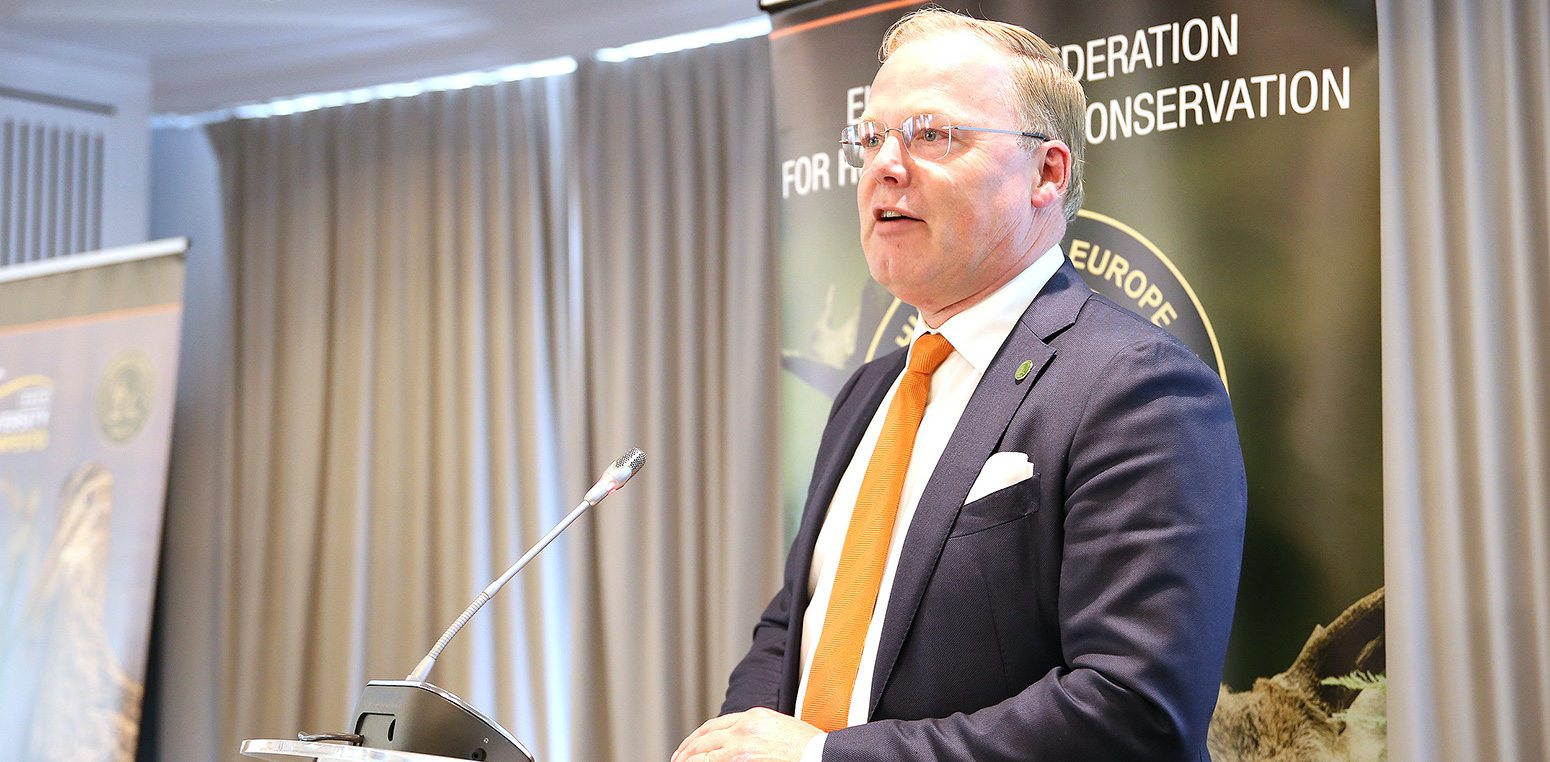
“The European Commission’s latest action is a clear example of regulatory overreach. It represents an extremely strict interpretation of the Birds Directive and fails to acknowledge the cultural value of these practices,” said Laurens Hoedemaker, President of FACE. “Regional hunting methods are a part of Europe’s rural identity and pose no threat to wildlife populations. We urge the Commission to take a more proportionate approach, rather than criminalising local communities that have practiced these activities responsibly for generations.”
This is yet another move by the European Commission that erodes European traditions, local knowledge, and the fabric of rural communities. Such initiatives will alienate those who have safeguarded these practices for centuries without solving any nature conservation issues.
FACE calls on the European Commission to adhere to the principle of proportionality when addressing regional hunting activities. Europe’s hunters and rural communities deserve fair treatment and recognition of their contributions to conservation rather than legal action that disregards local realities.
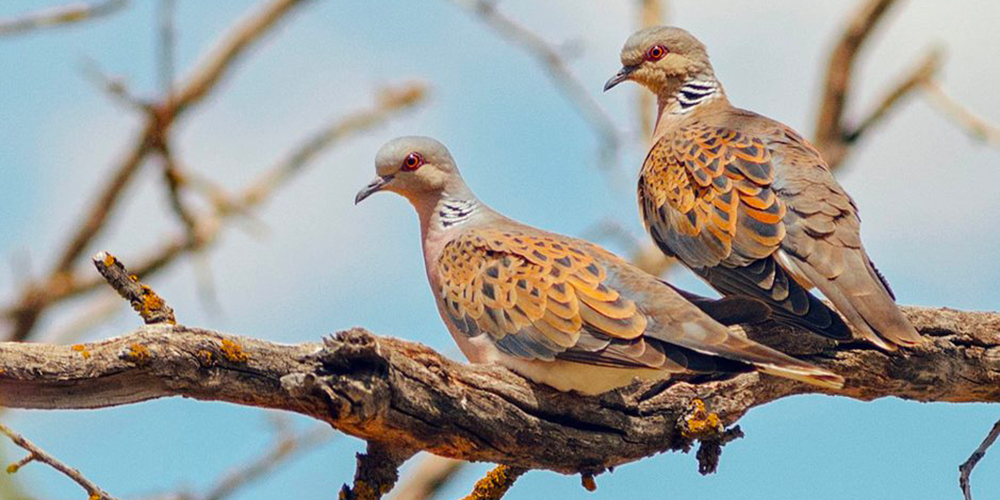
What Happened – On 11 February 2025, FACE held a Birds & Habitats Working Group meeting. At the start of the year, this was a valuable opportunity to update FACE Members on the current state of play regarding various files linked to bird hunting in Europe. The main topics discussed were the European process on bird hunting sustainability and the Turtle Dove.
Why It Matters – FACE and its Members are involved in these important ongoing processes concerning the future of bird hunting in the EU. As significant progress was made last year, taking stock of the situation in early 2025 has been useful for gaining a clear vision of the next steps.
What’s Next – An important step ahead is the work on the potential reopening of Turtle Dove hunting in the species’ Western flyway, in compliance with the European Commission’s Adaptive Harvest Management plan. FACE will keep in touch with the Members.
For further information, please contact: stanislas.sibille@face.e

What Is It – The LIFE WildWolf project aims to improve the capacity of relevant authorities and stakeholders, including hunters, in managing wolf conflicts by promoting practices that preserve the wolf’s wild nature and enhance people’s ability to adapt to its unexpected presence.
Why It Matters – The WildWolf project has made significant progress in the implementation of science-practice-management actions. Recent achievements include concluding the first test year of the wolf protection vests for hunting dogs. In all project countries, stakeholder workshops were held to address challenges in the rural countryside and urban areas, thereby developing collaborative solutions for coexistence.
What’s Next – The Croatian Hunting Association and FACE will analyse the feedback of hunters who tested the wolf protection vest in the field and will share the results of the first year upon completion. More on this exciting project at our Members’ Meeting in Croatia.
For further information, please contact sabrina.dietz@face.eu.
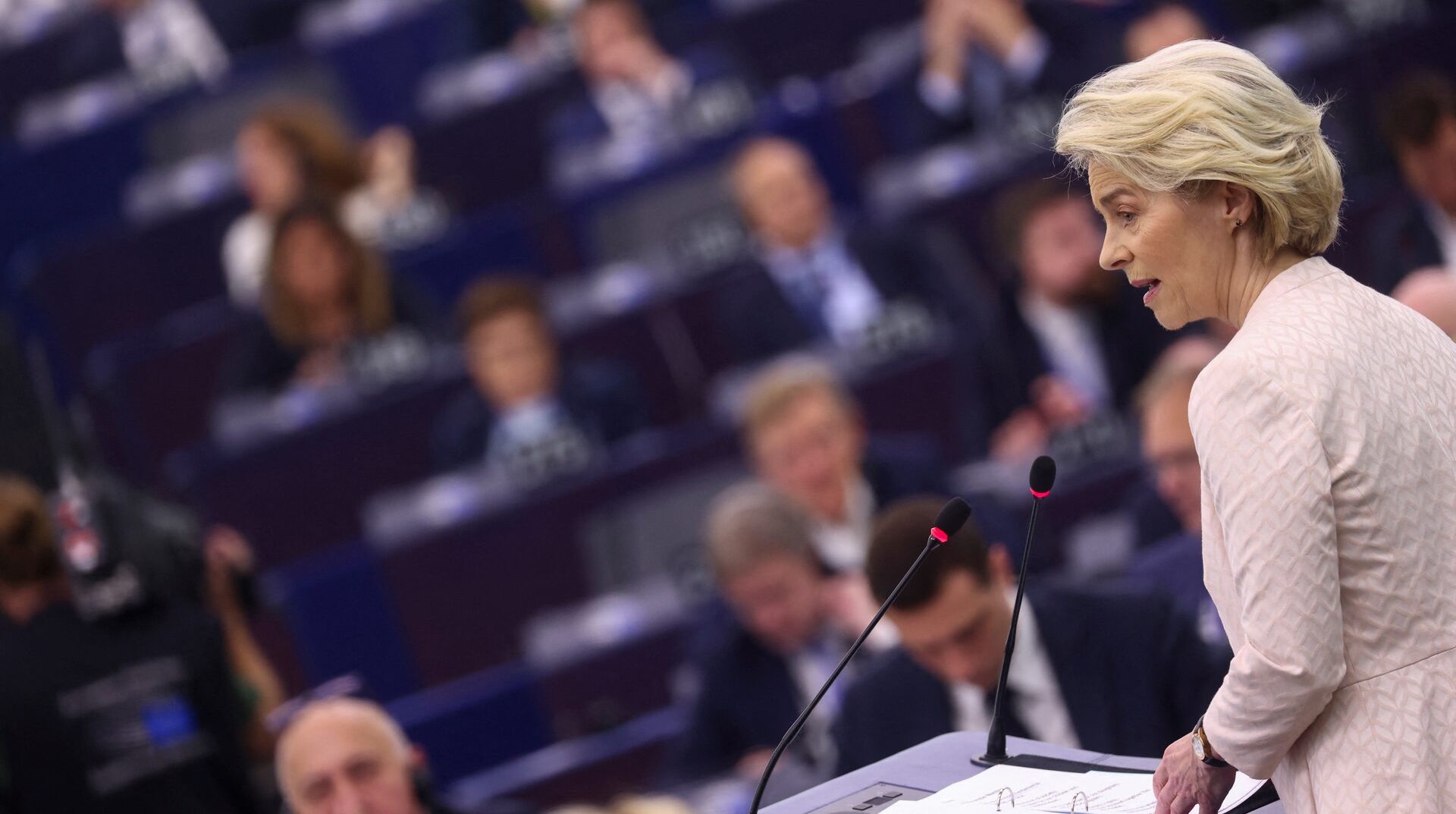
FACE has been actively engaging with the European Parliament in recent weeks, meeting with various MEPs to discuss key legislative files under discussion in the AGRI and ENVI Committees. Topics of discussion have included dog welfare, the welfare of animals during transport, the CITES Regulation, and issues related to the wolf downlisting.
We remain committed to ensuring that the impact of these regulations on the hunting community is well understood and adequately considered in the decision-making process.
What Happened – The European Parliament’s (EP) work on the European Commission’s (EC) proposal on the welfare of dogs and cats and their traceability continues. After the publication of MEP Veronika Vrecionová’s draft report, MEPs from the EP’s Agriculture Committee tabled amendments to modify the EC’s proposal. More than 600 amendments were tabled in the AGRI Committee, several of which included FACE’s concerns. Regarding the EC’s proposal on the transport of animals, the EP’s work shows strong opposition, as the proposal contains rules that do not consider the realities of the livestock sector.
Why It Matters – Both proposals are crucial for hunters. The first proposal on dog welfare could impact hunters with large dog packs, as they might be classified as breeders even if they do not breed for commercial purposes. As a result, they would need to adhere to strict welfare rules. The second proposal contains detailed regulations on the transport of animals (including short journeys), which could apply to dog handlers since their activities fall under the proposal’s scope. Additionally, the proposal includes new rules for transporting farmed game.
What’s Next – FACE will follow the development of the two files through the stages of the EU decision-making process and keep its members informed.
For more information, please contact valentina.siddi@face.eu.
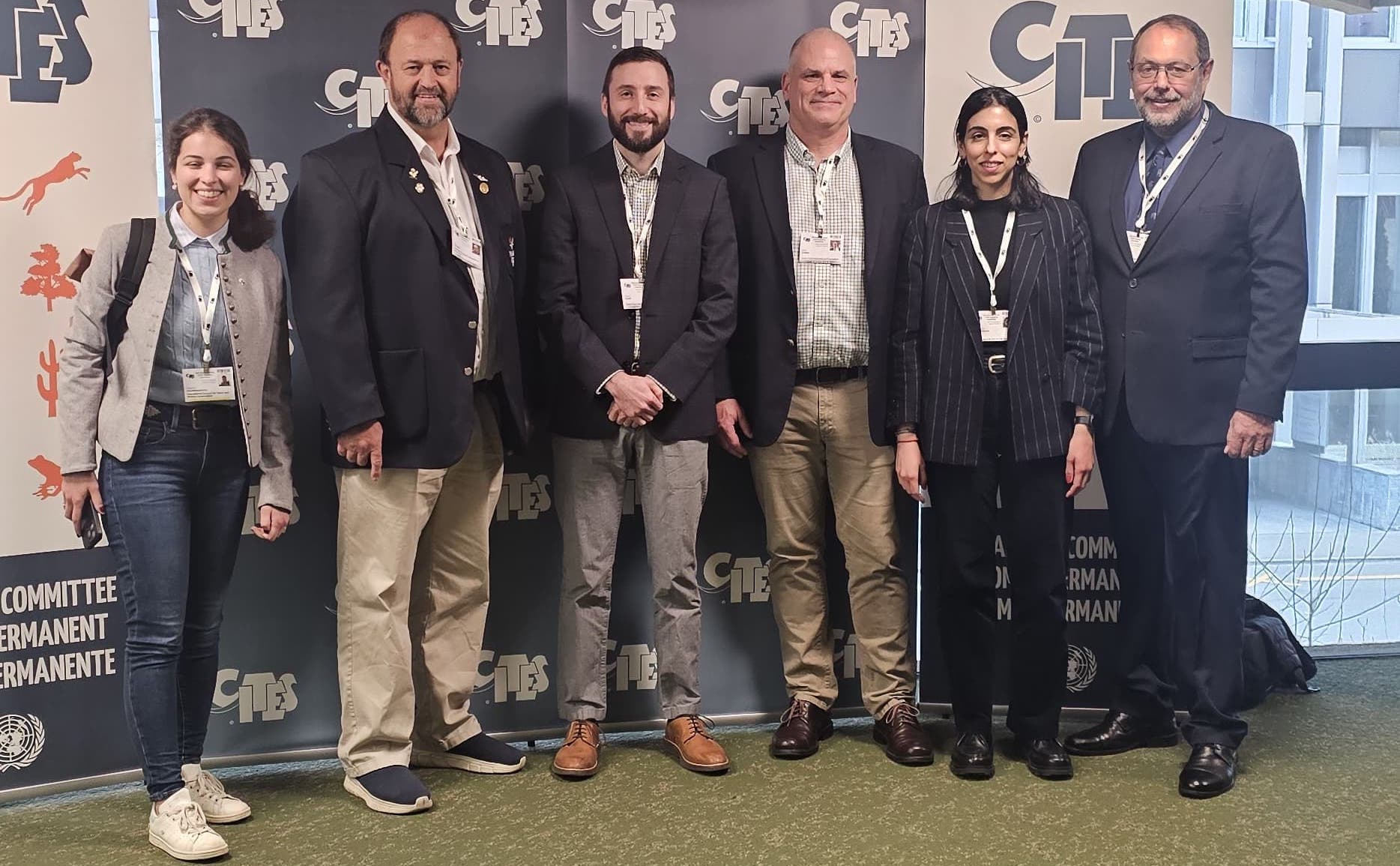
What Happened – The Convention on International Trade in Endangered Species of Fauna and Flora (CITES) held its 78th Standing Committee meeting in Geneva, Switzerland. FACE, alongside its partners, including Safari Club International (SCI), Safari Club International Foundation (SCIF), the International Council for Game and Wildlife Conservation (CIC), and Conservation Force, monitored and advocated for hunting and conservation on critical matters. Throughout the meeting, FACE attended side-events and had the opportunity to engage with stakeholders and government representatives.
Why It Matters – The CITES agreement holds particular significance for hunters, especially regarding the movement of certain hunting trophies (e.g. import, export and re-export).
What is the Standing Committee? The Standing Committee provides policy guidance to the CITES Secretariat concerning the implementation of the Convention and oversees the management of the Secretariat’s budget, among other responsibilities. Its members are Parties (governments) representing each of the six major geographical regions (Africa, Asia, Europe, North America, Central and South America and the Caribbean, and Oceania). The number of representatives from each region is proportionate to the number of Parties within that region. Find the summaries of the meeting here. Learn more about FACE’s work on CITES and other international agreements here .
For further information, please contact konstantina.katrimpouza@face.eu.

In December 2024, the UK’s Health and Safety Executive (HSE) published its final report on the restriction of lead in ammunition in England, Wales, and Scotland. In Northern Ireland, lead ammunition regulations will be based on the forthcoming EU approach.
The final opinion is currently under review by the Secretary of State for the Department for Environment, Food and Rural Affairs (DEFRA), who has three months to act, most likely by producing a statutory instrument to present for parliamentary approval.
The HSE’s final proposals are as follows.
Lead shot for Hunting and Target Shooting: The sale and use of lead shot would be completely prohibited, with a transition period of five years (once the law came into effect). A derogation is proposed for a small number of competitive athletes under stringent conditions.
Bullets for Hunting: The use of lead bullets of .243 calibre and above (≥6.17 mm) is to be prohibited, with a three-year transition period (once the law came into effect). The labelling of large-calibre bullets for target shooting (“Must not be used for live quarry shooting”) is also proposed. For calibres smaller than .243 (<6.17 mm), no restrictions are proposed due to limited alternatives. No restrictions are proposed for the use of lead ammunition for air weapons.
Bullets for Target Shooting: The use of lead bullets of all calibres at outdoor ranges with appropriate risk management measures may continue. Ranges that are unable to comply with the National Rifle Association’s guidance (Range Design and Safety Handbook 2022) after two years must move to non-lead alternatives (once the law came into effect). It is estimated that 95% of outdoor ranges already comply.
The UK’s REACH regime is very similar to the EU REACH regime. Therefore, it will be interesting to see whether the European Commission takes note. It is still considering a proposed restriction on the use of lead ammunition in all habitats, and the proposal is expected in early 2025—possibly next month. Interested parties (i.e. hunters, target shooters, non-civilian shooters, manufacturers, etc.) are waiting to learn how to prepare for this key change in the coming years.
Our UK Member associations are actively following the file.
For further information from FACE, please contact seppo.puustinen@face.eu

What Happened
As you know, the discharge of lead shot in wetlands and within a 100-metre zone (‘wetland shooting’) has been an offence since 16 February 2023. EU Regulation 2021/57, under REACH, applies directly in the 27 EU Member States. It is also applicable in Iceland, Liechtenstein, Norway (EEA countries), and Northern Ireland. Regarding the national implementation of the ban, the definition of ‘wetlands’ calls for several clarifications, along with the meaning of ‘wetland shooting’. The EU Courts—namely, the General Court and the Court of Justice—have addressed some of these problematic aspects through Judgments T-187/21 and C-105/23 P.
What Did the EU Courts Say?
Regarding the scope of the ban, the General Court acknowledged that the term ‘wetlands’ is not ideal, but it is still sufficiently clear and precise to be applied with reasonable certainty. Since Regulation 2021/57 aims to protect waterbirds and their habitats, the scope of the ban should be interpreted in line with those objectives. As a result, temporary ditches and puddles are excluded. These objectives also seem to rule out a fixed interpretation of the 100-metre wetland zone. For example, a body of water at a shooting range or within 100 metres is rarely a habitat for waterbirds—i.e., a place where waterbirds reside, migrate, or nest.
The EU Courts also stated that the ban does not establish a “presumption of guilt,” meaning that persons carrying lead shot in wetlands are not automatically deemed to have discharged such ammunition. Instead, law enforcement officers must demonstrate that carrying lead shot is related to an offence of wetland shooting. However, Regulation 2021/57 explicitly states that the restriction applies to hunters even in the absence of an act of discharge. It remains unclear how law enforcement officers can prove an offence when the carrying of lead shot is a normal part of wetland shooting (as evidenced, for example, by carrying a shotgun). This appears to be presumed, which raises further issues.
If a person is found carrying lead shot in or within 100 metres of wetlands while shooting or preparing to shoot (as evidenced, again, by carrying a shotgun), the shooting in question is presumed to be wetland shooting—unless the person can prove otherwise. However, since all shooting with lead shot in or within 100 metres of wetlands is prohibited, what ‘other type of shooting’ outside the ban could it be? It is also unclear how this aligns with the EU Courts’ rejection of a “presumption of guilt.”
An Outcome?
Ultimately, the EU Courts dismissed all of the applicants’ claims as either inadmissible or unfounded and upheld Regulation 2021/57. However, it is worth noting that if the EU Courts had not ruled that the definition of ‘wetlands’ was sufficiently clear and precise, the entire measure would have been annulled. Furthermore, the prohibition on ‘carrying’ and the reversed burden of proof remain so vague and contradictory—even after the EU Courts’ rulings—that preliminary references are likely to follow. This is especially true in cases where a violation of the ban is classified as a criminal offence, as the presumption of innocence must prevail. The judgments are only available in Polish and French (here).
For further information, please contact seppo.puustinen@face.eu
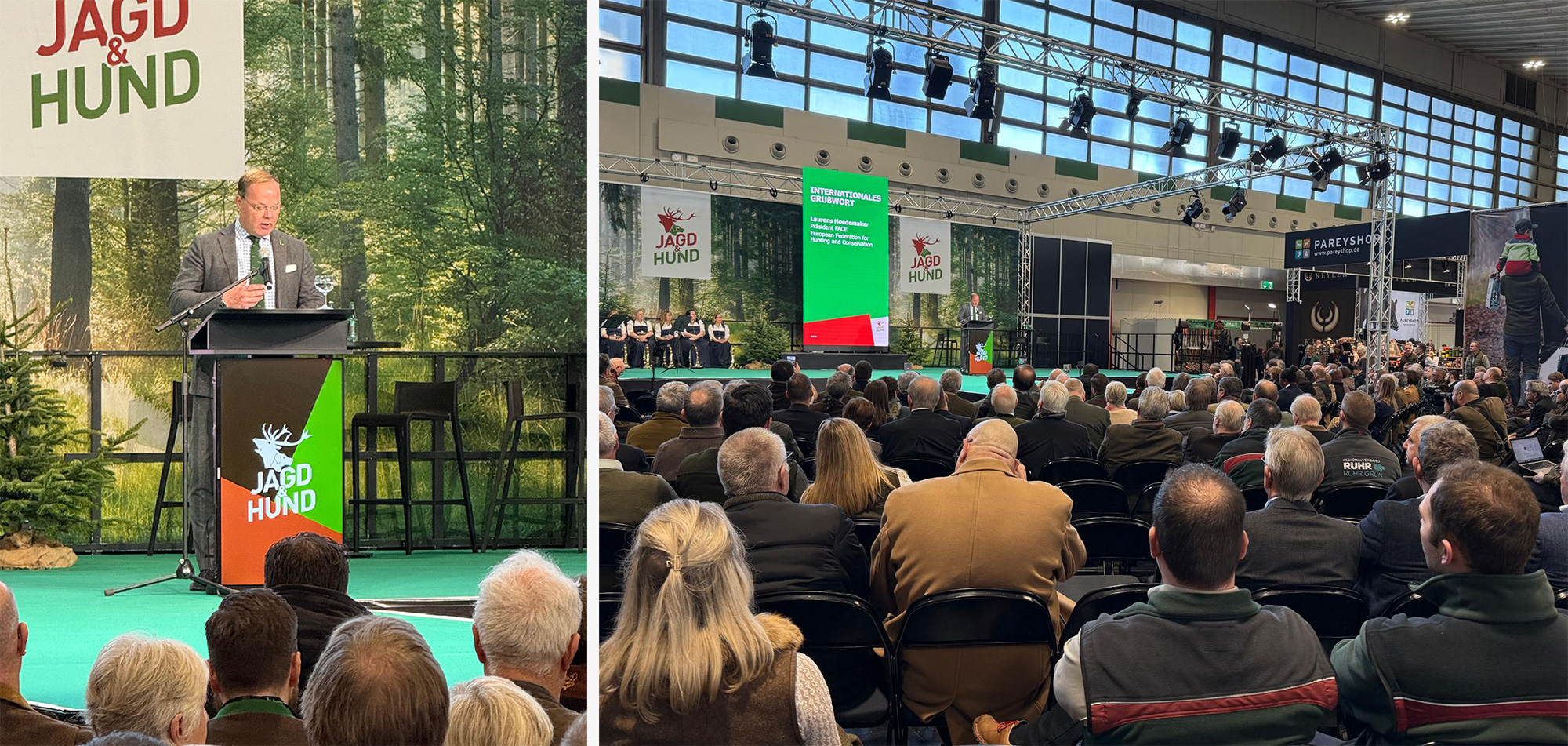
What Happened – The JAGD & HUND fair, Europe’s largest hunting exhibition, took place from 28 January to 2 February 2025 in Dortmund, Germany. During the event, delegates and experts from Europe’s national hunting associations have met for several FACE meetings.
Why it matters – On 29 January, the FACE Board discussed key topics for Europe’s 7 million hunters, including bird hunting and conservation, wolf management, animal welfare, firearms, and ammunition. At the same time, the FACE Communication Working Group met to advance work on social acceptance of hunting in Europe through coordinated initiatives such as the successful Game Meat Week campaign. On the same day, FACE organised an industry networking event titled “Europe’s Hunting Sector in 2025: Future Expectations and Industry Impacts”, where we were honoured to have in particular Sabine Loos, Director of Messe Westfalenhallen Dortmund; FACE’s German member, Deutsche Jagdverband (DJV); and its regional member, Landesjagdverband Nordrhein-Westfalen.
What’s Next – FACE will keep promoting key aspects of its advocacy work to the industry, engaging with major hunting companies, business leaders, industry representatives and raise awareness of the latest trends and risks coming from Brussels and impacting hunting and conservation in Europe.
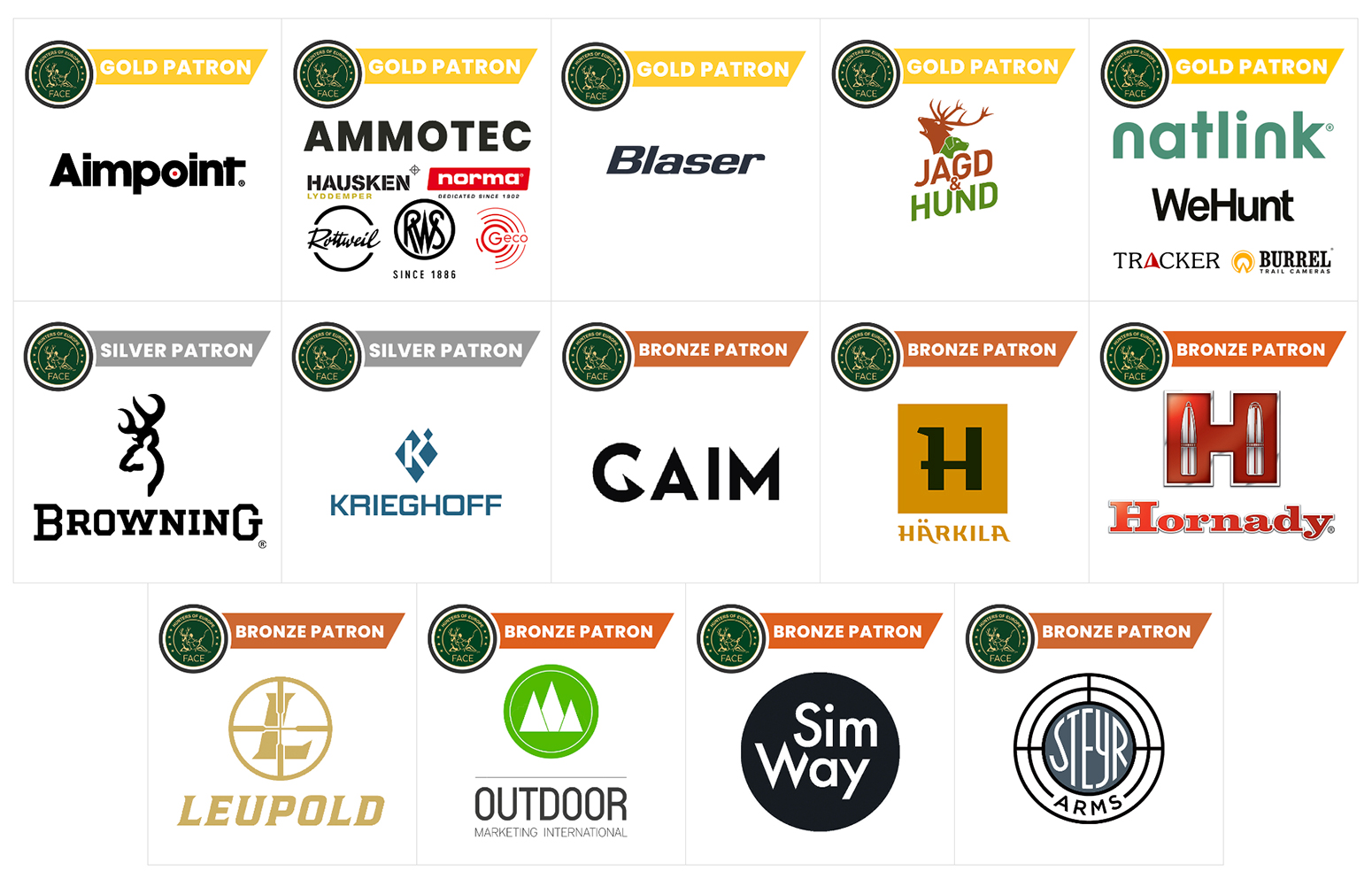
Since 2020, the FACE Patron Programme has provided industry partners and other organisations with a way to support a strong future for hunting and conservation in Europe.
Launched by former FACE President, Torbjörn Larsson, the programme was designed to strengthen FACE’s role in shaping the best context for hunting and conservation.
Now, under the leadership of FACE President Laurens Hoedemaker, the programme continues to grow, ensuring long-term support for FACE’s advocacy efforts.
For industry representatives and business leaders interested in exploring opportunities to support FACE, please contact FACE Secretary General, Dr David Scallan, at david.scallan@face.eu.
We are proud to present the 10th FACE Biodiversity Manifesto Report, showcasing 581 conservation initiatives by hunters, including 51 new projects added in 2024. The report highlights key initiatives, demonstrating hunters’ crucial role in preserving Europe’s biodiversity.
Aligned with nature restoration goals, the report documents over 200 habitat restoration projects, mainly focused on wetlands and farmland, directly supporting the Nature Restoration Regulation.
📄 Read the new BDM report here
The FACE Biodiversity Manifesto is the largest database of hunting-related conservations projects in Europe. If you know of, or are involved in, a project related to conservation that includes hunters, please share some basic facts here or send the survey to the responsible person. We are looking for all types of projects, small or big, private or public, completed, still ongoing or under development. Thank you!
 On 3 February Neška Vukšić Končevski joined the secretariat and is working as Conservation Policy Assistant in the conservation team. Neška has a backroad in project and game management. She gained a lot of experience during her nine years of work at the Croatian Hunting Federation. She received her Ph.D. from the Faculty of Agriculture in Osijek, Croatia with the dissertation on effect of selenium on the distribution of heavy metals in tissues of fallow deer (Dama dama L.). Neška comes from a hunting family, and she acquired her love for nature already during her early childhood.