

Dear FACE Members,
We look forward to seeing you next week in Zagreb. We are delighted that we have achieved a record-high registration with 29 Full Member countries in attendance.
Moreover, during the open sessions, we will be joined by some of our associate members, patrons, and various guests, including the CIC.
Earlier this month, the EC proposed to downlist the wolf under the Habitats Directive. They have opted for a targeted amendment to move all wolf populations to Annex V. While other options existed, this change aims to prevent broader moves to change any text of of the directive. We can already detect that the file could move quickly in the European Parliament and at the Council. We will remain in contact with Members to influence the next steps.
In the last days of February, the long-delayed European Commission (EC) legal proposal on restricting lead in ammunition was published. FACE has held two meeting with its Ammunition Working Group to define its positioning, also with the European Shooting Sports Forum. The proposal will create many challenges for the sector if not change substantially.
There is some good news on bird hunting this month regarding the potential to open the hunting in the western flyway for Turtle Dove. This decision was made following years of hard work by FACE and its members.
Finally, it is positive to see the Intergroup on “Biodiversity, Hunting, Countryside” was formally re-established in Strasbourg. Both FACE and ELO were present to discuss and approve the work plan for 2025.
We look forward to seeing you in Croatia, where we promise an excellent two-day meeting in conjunction with the Croatian Hunting Federation’s 100th anniversary.
We hope you enjoy the March monthly report.
 Dr. David Scallan
In the final days of February, the long-awaited European Commission (EC) legal proposal to restrict lead in ammunition was published. The EC gave an initial presentation at the EU REACH Committee meeting on 27 February. This committee comprises the national representatives of the EU Member States and the EC. If the Member States consent, a vote will take place by “qualified majority.” Subsequently, the European Parliament may opt to have a say on the matter.

The legal proposal includes the following:
Lead gunshots for hunting
The proposal includes a ban on the use of lead shot, with a transition period of 3 years. The complete sale ban on lead shots will follow in 5 years.
Lead bullets ammunition for hunting
A transition period of 18 months is proposed for the ban on the use of lead centrefire calibres of ≥5.6 mm. For centrefire calibres smaller than 5.6 mm and rimfire bullets, the proposed transition period is 10 years.
Target shooting with lead bullets
No requirements are proposed for lead bullet shooting ranges. However, the situation will be reviewed after 10 years from the entry into force of the restriction.
Exempted uses
The following uses are exempted from the prohibitions: muzzle-loading guns and historic firearms including modern replicas, copper and copper alloy bullets (if leas than 3% of lead), seal hunting and the use of full-metal jacket bullets, and cultural heritage occasions.
Lead gunshots for sport shooting
Lead shot (size 1.9-2.6 mm) may continue at shooting ranges for the next 15 years provided that:
- Shooting range has been authorised
- Shooter is a member of a sport shooting federation
- Lead shots are provided for a shooter by an authorised shooting range
- Authorised shooting ranges keep records (number of lead shots supplied for use in that range/average weight of those shots/persons shots were supplied to /weight of lead shots recovered)
- Authorised shooting range reports (cumulated weight of lead shots supplied and recovered at least by 5 years or less).
As a derogation from the selling prohibition, (a) ammunition producers/distributors can supply lead shots (size 1.9-2.6 mm) to authorised shooting ranges; and (b) authorised shooting ranges can supply lead shots (size 1.9-2.6 mm) to members of a sport shooting federation.
Conditions for shooting ranges to be authorised by Member States:
a) shooting range has at least two of the following risk management measures in place: one or more walls, one or more berms/banks, one or more nets/curtains, and surface covering;
b) recovery of lead shots at least every 3 years and after cessation of the activity;
c) monitoring and/or treatment of the gunshot impact area – pH between 6.5 and 8.5 → verification every 6 months;
d) containment / monitoring / treatment of drainage and surface water (compliance with Directive 2000/60);
e) ban on agricultural use; and
f) obligation to keep records.
Member States (a) authorise sport shooting ranges after verification that Annex X risk management measures are in place; (b) make publicly available the instructions and procedure for shooting ranges to be authorised; (c) make publicly available a list of authorised shooting ranges; and (d) report cumulative weight of lead shots supplied and recovered.
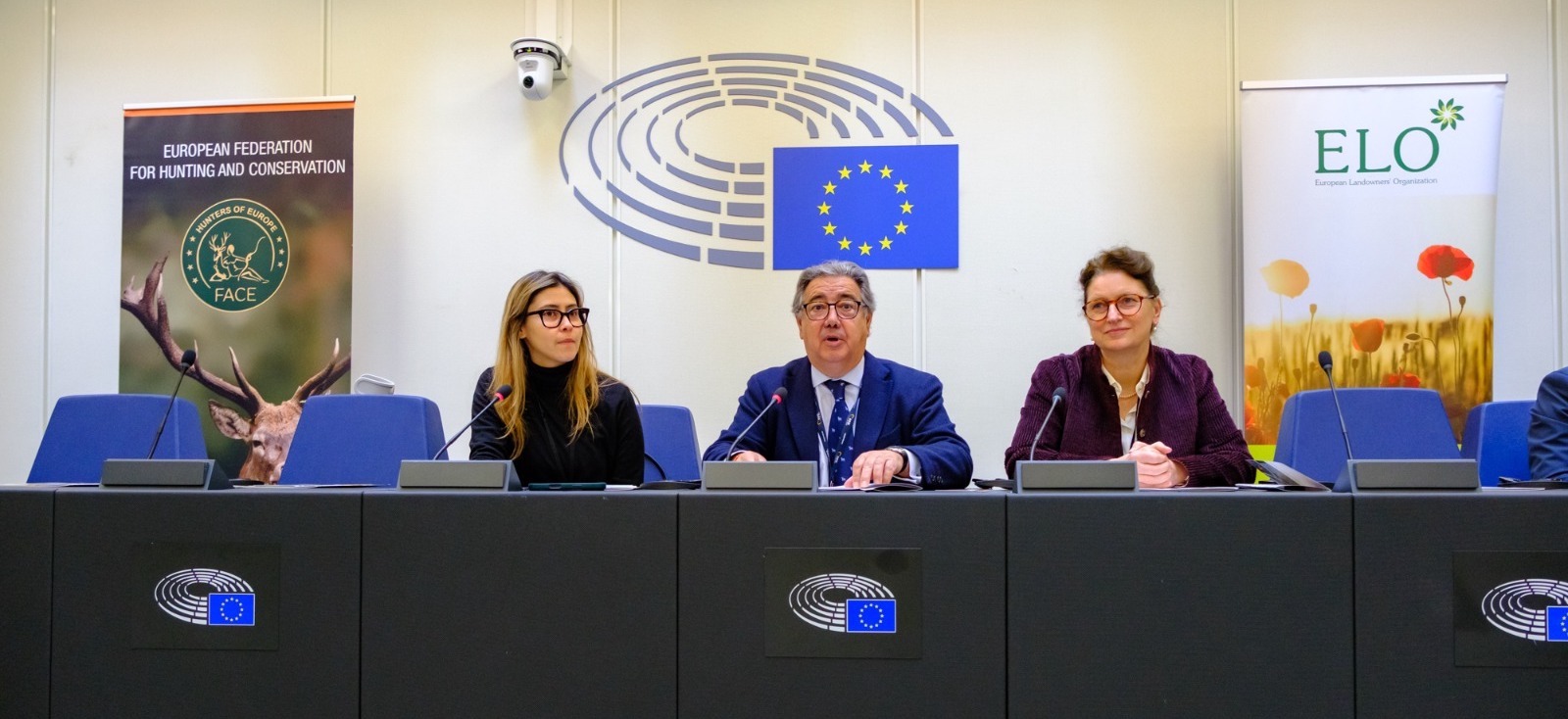
What happened – On 13 March 2025, in Strasbourg, the “Biodiversity, Hunting, Countryside” Intergroup held its first meeting for this parliamentary term, reaffirming its role as a key platform within the European Parliament for rural voices.
Why it matters – The meeting focused on electing the Intergroup’s leadership and setting priorities for the years ahead. MEP Juan Ignacio Zoido (Spain, EPP) was elected as President. There was also an agreement on the initial list of Board members: Alex Agius Saliba (Malta, S&D), Isabel Benjumea (Spain, EPP), Herbert Dorfmann (Italy, EPP), Pietro Fiocchi (Italy, ECR), Céline Imart (France, EPP), Stefan Köhler (Germany, EPP), Christine Singer (Germany, Renew Europe), Riho Terras (Estonia, EPP).
What’s next – Dr. David Scallan, FACE Secretary General, stated: “With the support of over 100 MEPs from across the political spectrum, this Intergroup will be an essential platform to discuss a range of policy initiatives linked to the environment, sustainable hunting, and land use within the European Parliament. We will continue supporting open and constructive discussions between policymakers, the European Commission, and key stakeholders to promote the crucial role of rural communities in European policies.”
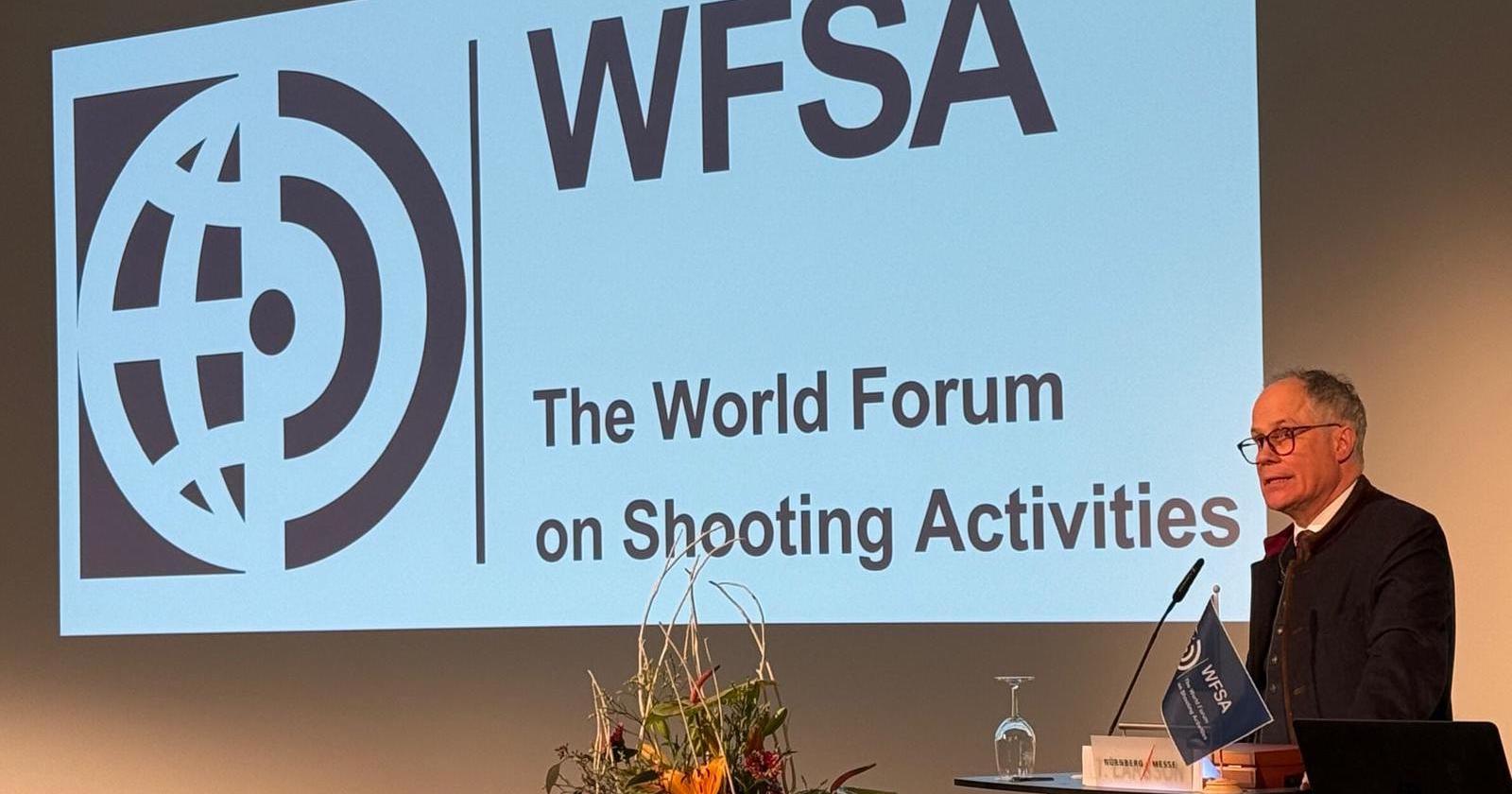
On 27 February 2025, Torbjörn Larsson received the prestigious “Dr. Vito Genco Shooting Ambassador Award” at the World Forum on Shooting Activities (WFSA) General Assembly in Nuremberg, Germany. The award recognises his outstanding contributions during his tenure (2018-2024) as President of FACE, representing the interests of 7 million hunters.
The WFSA Dr. Vito Genco Shooting Ambassador Award is a prestigious recognition of a person with a longstanding interest in shooting activities and whose efforts have contributed to the positive image of hunting, sport shooting, or civilian firearms ownership. Read full article here
 Participants of the 20th Meeting of the AEWA Technical Committee © UNEP/AEWA
What happened – The Technical Committee of the African-Eurasian Migratory Waterbird Agreement (AEWA) met in Mikulov, Czech Republic, from 24-28 February 2025 to prepare for the AEWA Meeting of Parties later this year. Part of the meeting was also devoted to checking progress on the committee’s work plan and updates on species action planning. Initial feedback was received on the Iceland/UK population of Greylag geese, which is now subject to adaptive harvest management. Modelling of this population shows that numbers may have been considerably underestimated, and monitoring efforts are now underway to check the findings. This has implications for hunting opportunities in Iceland and the Orkney Islands.
The Technical Committee has nine regional representatives, plus thematic experts on topics like environmental law, game management, and rural economics. Documents for the meeting can be found here.
Why it matters – Every three years, the status of all migratory waterbirds is reviewed by AEWA and adopted by the Meeting of Parties. In essence, there are 50 huntable waterbird species in Europe, which are further divided into flyway populations. Legal status depends on whether they are listed in column A, B, or C. Populations listed in C require basic protection measures, ‘column B’ measures to regulate hunting and ensure sustainability, and for ‘column A’ hunting is prohibited. There are some nuances and exceptions, but these are the general rules. A first analysis of the draft documents reveals one population (Grey Plover) moving from column B to A. More surprisingly, some very common species (e.g., Mallard) are moving from column C to B. While the latter will not require changes in huntable status, it raises concerns for the conservation of such important waterfowl.
What’s next – The AEWA Meeting of the Parties (MOP9) is scheduled to take place 10 – 14 November 2025 in Botswana. FACE will continue monitoring the status of waterbird populations leading up to MOP9, as well as the drafting of resolutions to be adopted.
For further information, please contact cy.griffin@face.eu
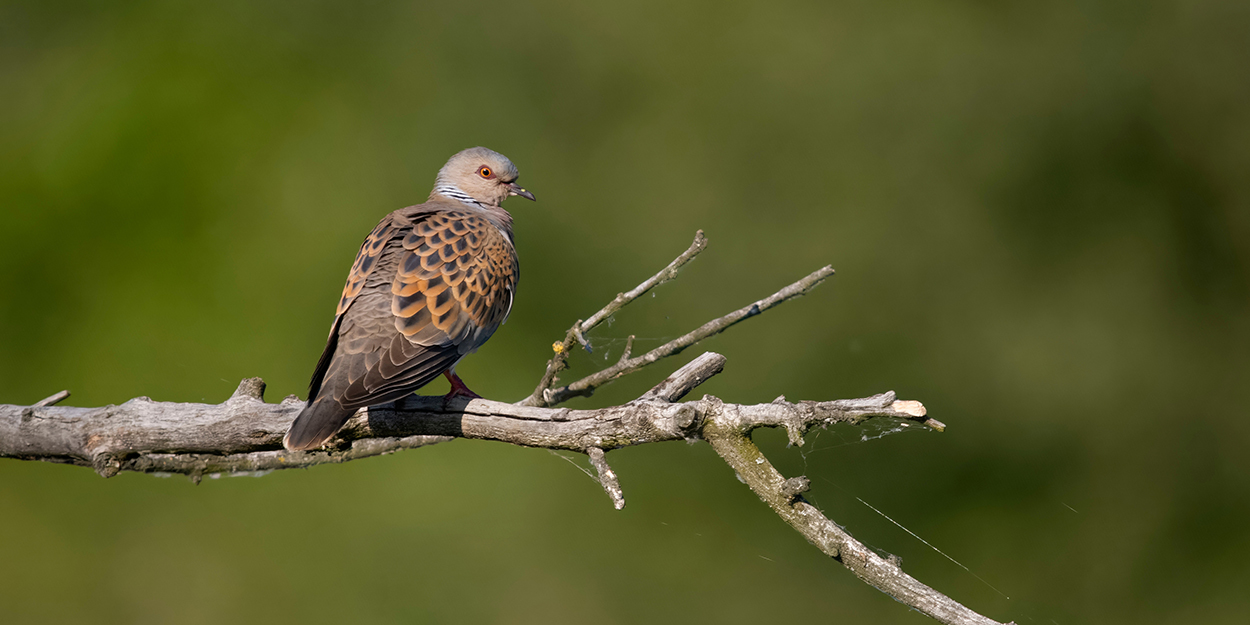
What happened – On 4 March 2025, FACE participated in the 10th meeting of the EU Task Force on the Recovery of Birds, which focused on Turtle Dove Adaptive Harvest Management. This year, following a population increase in the Western flyway and based on Member States’ comprehensive reporting on habitat management measures and implementation tools, the European Commission assessed the situation. It concluded that all criteria for reopening hunting had been fully met. As a result, the Commission gave the green light for hunting to resume in the Western flyway for the 2025 season.
Why it matters – After a four-year moratorium, the reopening of Turtle Dove hunting in the Western flyway, as a result of Adaptive Harvest Management and in compliance with its rules, marks a milestone in the management of huntable bird species. Although the drivers of the recent population increase are not fully understood, his demonstrates that hunting bans can be reversible—something quite rare.
What’s next – The recommendations will be submitted to the Expert Group on the Nature Directives (NADEG), where all Member States can express their opinions. However, this is neither a vote nor a ratification; rather, it serves as a barometer of Member States’ positions.
For further information, please contact stanislas.sibille@face.eu.

Following the decision to downlist the wolf at the Bern Convention in December, the change officially takes effect after a 90-day period, on March 7. From this date, the wolf will be listed under Appendix III of the Bern Convention.
This development has enabled the European Commission to initiate a legislative process to amend the annexes of the Habitats Directive at the EU level. Specifically, the Commission is proposing a targeted amendment to the annexes of the Habitats Directive, as outlined in Article 1 of the proposal:
- Removal of Canis lupus from Annex IV (species requiring strict protection);
- Addition of Canis lupus to Annex V (protected but may be subject to management measures).
According to Article 2, Member States will have 18 months from the entry into force of the amended directive to implement the changes.
While the timeline for adoption by the European Parliament and the Council has not yet been determined, the Commission anticipates swift approval. Several Members of the European Parliament (MEPs) have requested an emergency procedure to expedite the process, which is expected to accelerate the vote.
In addition, the Commission has published a Q&A webpage addressing key aspects of the proposal, including conservation status and hunting regulations. The information provided offers valuable insights and is highly recommended reading.
This is a significant achievement for FACE members, who have dedicated months—if not years—advocating for this change.
For more information: Press corner | European Commission – Questions and Answers or contact: guillaume.agede@face.eu
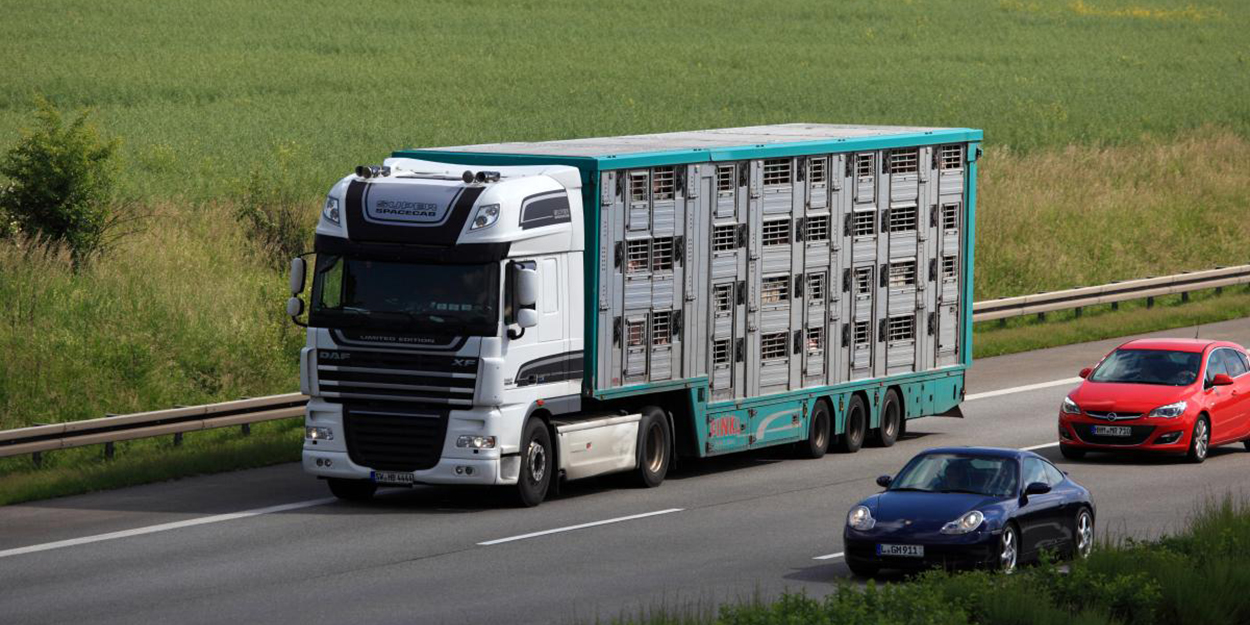
What it is – The proposal on the welfare of animals during transport is advancing through the different steps of the decision-making process. The co-rapporteurs, Daniel Buda (EPP, Agriculture Committee) and Tilly Metz (Greens, Transport Committee) have published the draft Committees’ report. The report is very short, reflecting the limited consensus reached so far. The deadline for amendments is 10 April.
Why it matters – Under both the current and proposed rules on animal transport, dog handlers are classified as economic operators due to the CJEU’s jurisprudence, which provides a broad definition of economic activity in the context of animal transport. At present, the transport rules for these animals are minimal, making compliance relatively straightforward. However, the new EC proposal introduces significant additional requirements for the transport of dogs, including the obligation to comply with substantial administrative burdens.
Moreover, the proposal introduces new regulations concerning poultry transport, including game birds intended for release. These changes could have significant impacts on stakeholders involved in transporting these birds, as well as on hunters, who may face increased costs as the final customers.
What’s next – The vote is scheduled in the European Parliament’s Agriculture and Transport Committee to take place after the summer. FACE is actively engaging with MEPs to ensure that its position is taken into account. The relevant FACE Working Group is being kept informed of all developments.
For further information, please contact valentina.siddi@face.eu
Since 2020, the FACE Patron Programme has provided industry partners and other organisations with a way to support a strong future for hunting and conservation in Europe.
Launched by former FACE President, Torbjörn Larsson, the programme was designed to strengthen FACE’s role in shaping the best context for hunting and conservation.
Now, under the leadership of FACE President Laurens Hoedemaker, the programme continues to grow, ensuring long-term support for FACE’s advocacy efforts.
For industry representatives and business leaders interested in exploring opportunities to support FACE, please contact FACE Secretary General, Dr David Scallan, at david.scallan@face.eu.
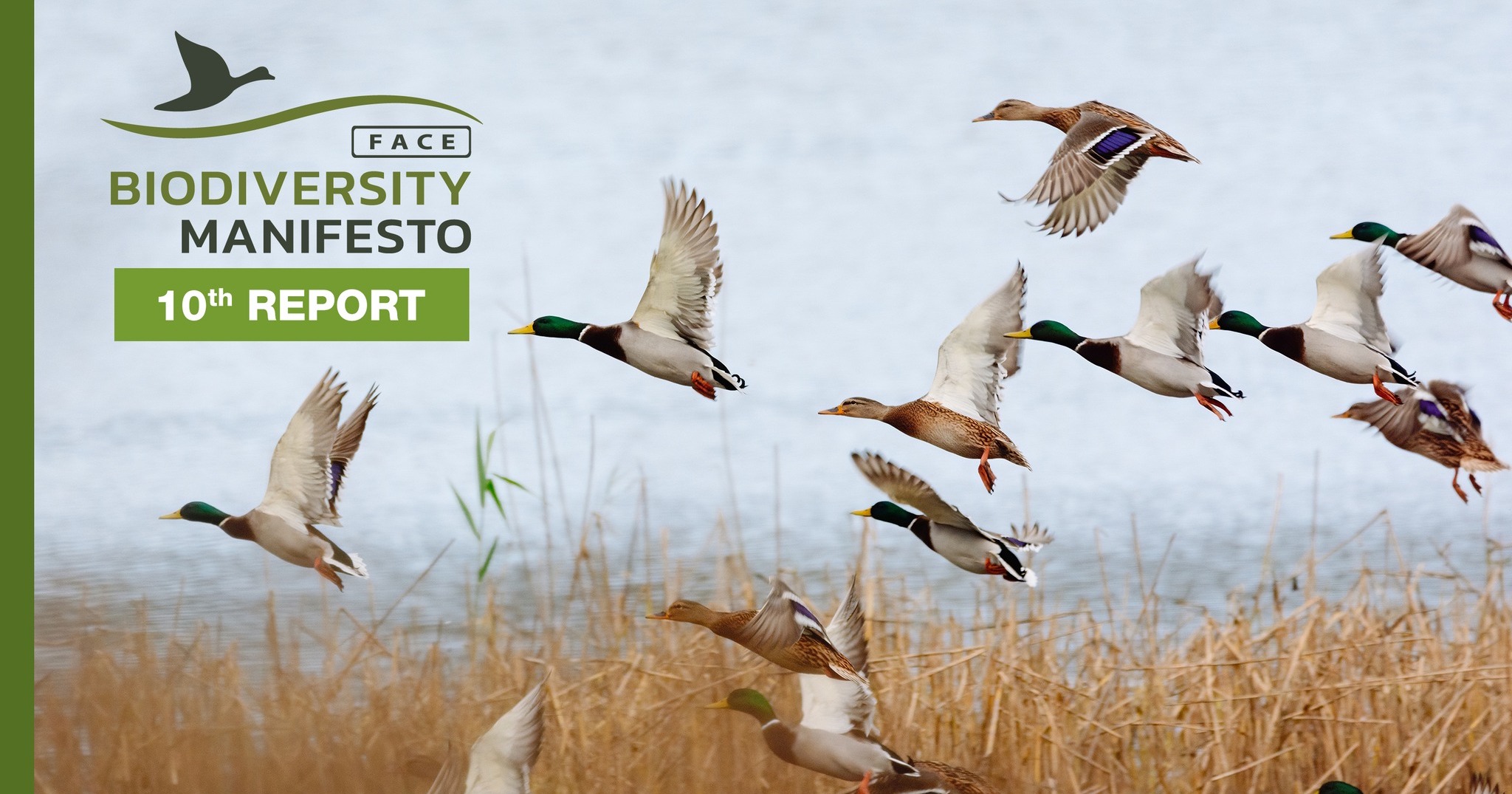
We are proud to present the 10th FACE Biodiversity Manifesto Report, showcasing 581 conservation initiatives by hunters, including 51 new projects added in 2024. The report highlights key initiatives, demonstrating hunters’ crucial role in preserving Europe’s biodiversity.
Aligned with nature restoration goals, the report documents over 200 habitat restoration projects, mainly focused on wetlands and farmland, directly supporting the Nature Restoration Regulation.
📄 Read the new BDM report here
The FACE Biodiversity Manifesto is the largest database of hunting-related conservations projects in Europe. If you know of, or are involved in, a project related to conservation that includes hunters, please share some basic facts here or send the survey to the responsible person. We are looking for all types of projects, small or big, private or public, completed, still ongoing or under development. Thank you!